
%20transparent.png)
Counterbalance Forklift Training Explained: Skills Every Operator Needs
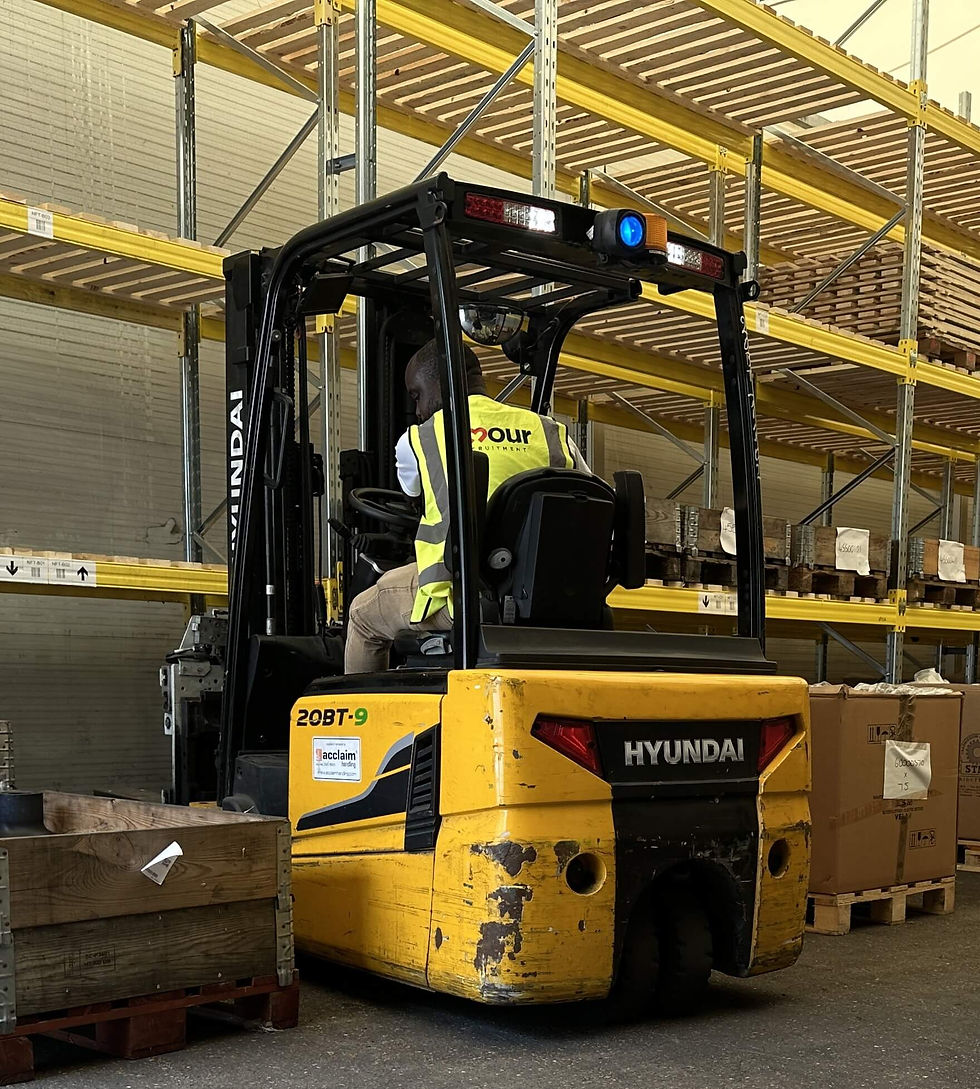
Counterbalance forklifts are the workhorses of warehouses, manufacturing plants, and distribution centres. Their versatility makes them one of the most common types of forklifts used across industries. But with power comes responsibility. Proper counterbalance forklift training is vital to ensure safety, compliance, and efficiency on the job.
What is Counterbalance Forklift Training?
A counterbalance forklift course is designed to teach operators how to safely and effectively handle one of the most widely used forklift types. Unlike reach trucks or telehandlers, counterbalance forklifts have a weight at the back to balance heavy loads at the front, making them straightforward but also high-risk if mishandled.
Counterbalance forklift truck training covers everything from basic driving techniques to complex load handling. The training also emphasises awareness of health and safety regulations, risk assessments, and the legal responsibilities that come with forklift operation.
The training is accredited and aligned with HSE guidelines, ensuring that operators not only pass the counterbalance forklift test but also build real confidence in day-to-day tasks. In many cases, businesses opt for accredited counterbalance forklift training near me to keep their teams compliant and avoid costly accidents or penalties.
Why Counterbalance Forklifts Are Essential in the Workplace
From warehouses storing thousands of pallets to builder’s merchants handling bricks and timber, counterbalance forklifts are everywhere. They are particularly valued for their ability to:
Load and unload deliveries directly from lorries
Transport pallets safely across large warehouses
Handle heavy and uneven loads in manufacturing plants
Manage bulky items in timber yards or joinery workshops
Because they can move both indoors and outdoors, counterbalance forklifts reduce the need for multiple types of equipment. This versatility makes them the “all-rounder” in material handling.
For employers, investing in forklift operator training ensures staff can make full use of the machine’s capabilities without compromising safety. Whether it’s dairy production, engineering manufacturing, or construction supply chains, properly trained operators keep goods moving smoothly, reduce downtime, and protect both staff and stock.
Core Skills Every Operator Learns
Pre-use Checks and Safety Inspections
Before operating, operators are trained to carry out daily pre-use checks. This includes examining tyres, brakes, steering, forks, and warning systems. Think of it like checking your car before a long journey - it prevents breakdowns and accidents.
Manoeuvring in Tight Spaces
Warehouses often have narrow aisles and crowded environments. Operators learn precision driving, turning circles, and reversing safely, skills that reduce collisions and improve
workflow efficiency.
Correct Load Handling and Stacking
Knowing how to lift, tilt, and stack loads correctly prevents accidents such as tipping. Training emphasises load stability, weight distribution, and height limits - crucial when stacking pallets on racking systems.
Understanding Forklift Controls and Stability
Operators gain a full understanding of the forklift’s controls, including mast functions, tilt, and hydraulics. More importantly, they learn the “stability triangle” - a key safety principle that prevents tipping when handling loads.
Emergency Procedures and Accident Prevention
From handling a load shift to responding to a mechanical failure, operators are taught how to stay calm and follow correct procedures. Accident prevention is a core focus, helping reduce risks that come with human error.
By mastering these skills, operators not only pass their forklift licence training but also develop habits that keep workplaces compliant and safe.
Types of Counterbalance Forklift Training Courses
Novice Operator Training
Ideal for beginners, this course introduces basic theory, safety principles, and practical hands-on driving. It builds confidence and competence from the ground up.
Experienced Operator Training
For those who already have forklift experience but no formal certification, this training sharpens existing skills and prepares them for the official counterbalance forklift test.
Conversion Courses
Operators trained on other machines, like reach trucks or telehandlers, can convert their skills to counterbalance forklifts. This ensures they adapt safely without starting from scratch.
Refresher Courses
Even the best operators need updates. A forklift refresher course near me ensures operators stay compliant with HSE standards and correct any bad habits picked up over time.
Businesses often choose refresher courses every 3-5 years, depending on risk assessments and workplace policies.
Each of these courses provides practical, hands-on forklift training at your workplace or at accredited centres, giving employers flexibility while ensuring their staff meet industry requirements.
What to Look for in a Training Provider
Not all training providers are equal. When booking a counterbalance forklift course, employers should check:
Accreditation: Ensure the provider delivers HSE recognised forklift training through bodies like BRITTOP or RTITB.
On-site vs. Training Centre: On-site training allows staff to practise in real environments, while training centres offer controlled conditions for learning.
Customisation: Different industries have unique challenges - timber yards differ from dairy production facilities. Look for tailored training solutions.
Value for Money: Group training often reduces the cost per operator, making it more affordable than booking individuals.
The right provider balances compliance with practical learning, ensuring operators leave with both a certificate and real-world skills.
Common Mistakes Operators Make and How Training Prevents Them
Without proper training, common mistakes include:
Overloading: Trying to lift more than the rated capacity, risking tip-overs.
Ignoring Safety Checks: Skipping pre-use inspections can lead to mechanical failures.
Poor Visibility Handling: Carrying loads too high or failing to use mirrors properly.
Unsafe Manoeuvring: Turning too sharply or driving at unsafe speeds in busy areas.
Training tackles these mistakes head-on. Operators are reminded of safe load limits, taught to use safety equipment correctly, and given real scenarios to practise in. For example, handling an oversized pallet in a narrow aisle requires skill and patience - skills gained only through forklift certification.
By correcting these errors, training not only prevents accidents but also reduces stock damage and costly downtime.
Frequently Asked Questions
How long does counterbalance forklift training take?
Training length varies. A novice course typically takes 3-5 days, while refresher or conversion courses may be completed in 1-2 days.
Do I need a driving licence to operate a forklift?
No car driving licence is required. However, you must be physically fit and meet the employer’s safety requirements.
How long does a forklift licence last?
There is no official expiry date, but HSE recommends refresher training every 3-5 years to stay compliant and safe.
What happens if an operator fails the test?
If you don’t pass the counterbalance forklift test the first time, additional training and a retest can be arranged. The goal is competence, not failure.
Can training be done at my workplace?
Yes. Many providers offer hands-on forklift training at your workplace, which helps operators get familiar with their actual equipment and environment.


Comments